Crop rotation
Pumpkins, corn, and alfalfa are rotated so the same crop does not make the same demands on a field year after year.
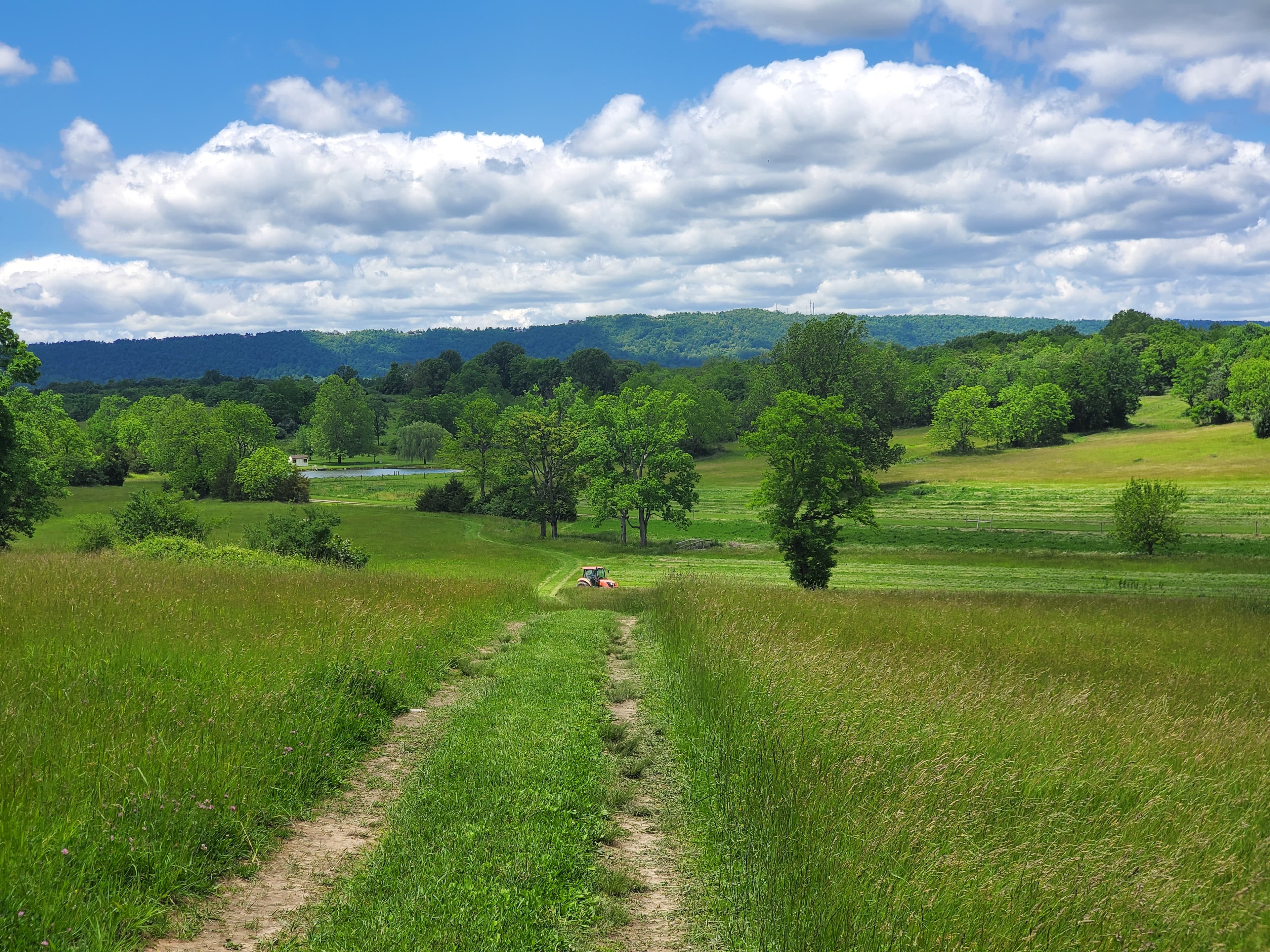
Keeping Glencoe Beautiful
A 250 year old working farm, cared for with the next 250 years in mind.
Read our stewardship story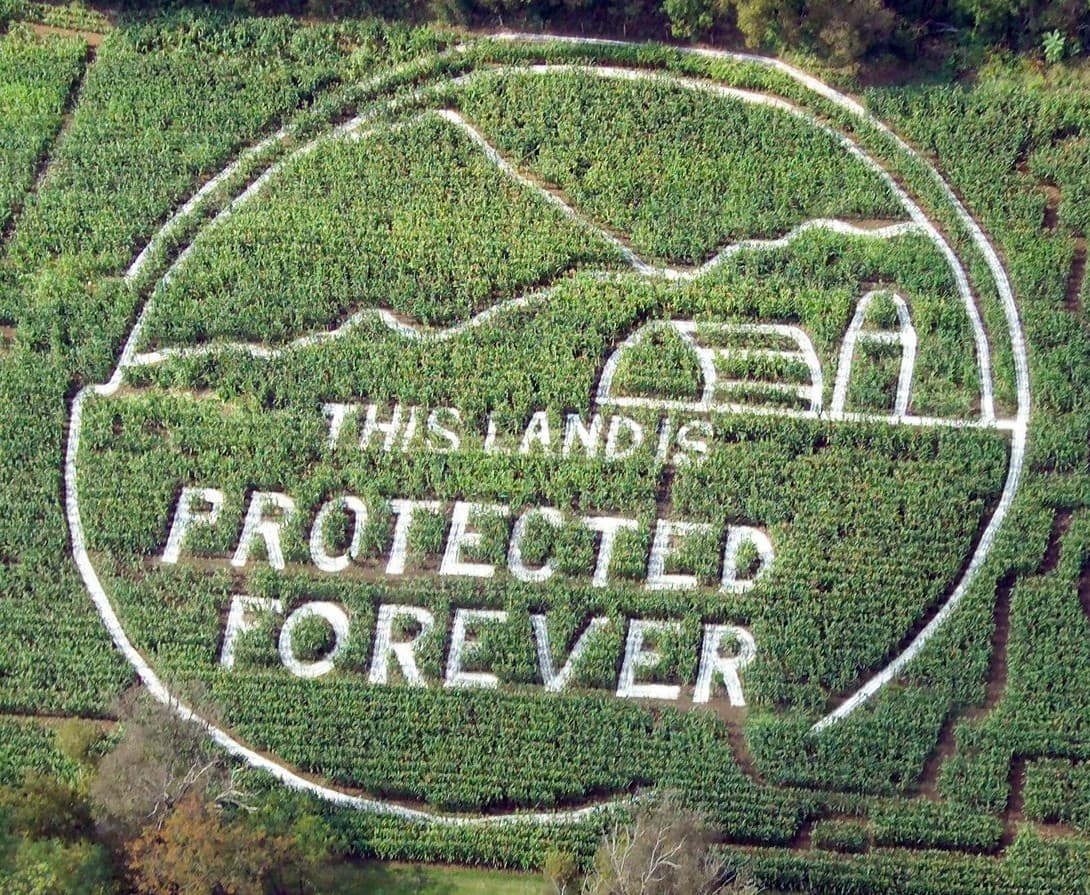
A choice that outlives us
As development spread through the Inwood area, our family wanted to ensure that Glencoe would always remain farmland.
On August 17, 2007, a permanent conservation easement was placed on 161 acres of Glencoe Farm. The easement is held by the Berkeley County Farmland Protection Board and protects every part of the farm except the existing visitor parking area.
The land is still privately owned and actively farmed, but its future no longer depends on the next development proposal. Glencoe can remain agricultural, open, and rooted in its history for generations to come.
Learn about farmland protection in Berkeley CountyCharlie Bill's legacy
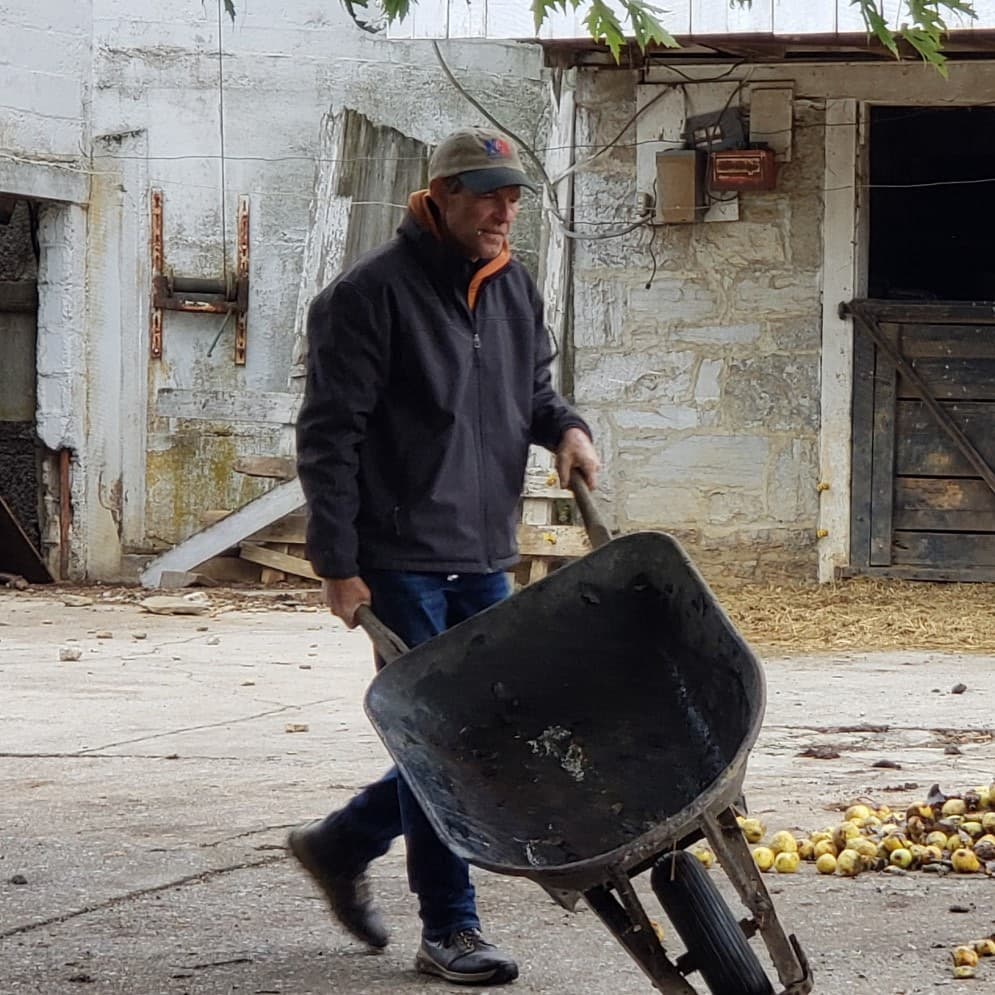
For Charlie “Charlie Bill” McDonald, caring for Glencoe was never simply a job. From the day he was born, the farm was part of his life and purpose.
He made it his life's mission to take care of this place. He did right by the land, and he raised four children who are just as dedicated to protecting it, working it, and sharing it with their community.
How we keep our promise
Conservation happens through ordinary decisions made season after season. These are some of the ways we keep Glencoe's working land healthy.
Pumpkins, corn, and alfalfa are rotated so the same crop does not make the same demands on a field year after year.
Rye protects fields between primary crops, keeping living roots in the soil during the off-season.
Planting with minimal soil disturbance helps protect soil structure and reduces the risk of erosion.
Regular testing helps us understand what each field needs before we add nutrients or make a planting decision.
We adapt how we use the fields when flooding or runoff shows us that the land needs time and help to recover.
Room to remain wild
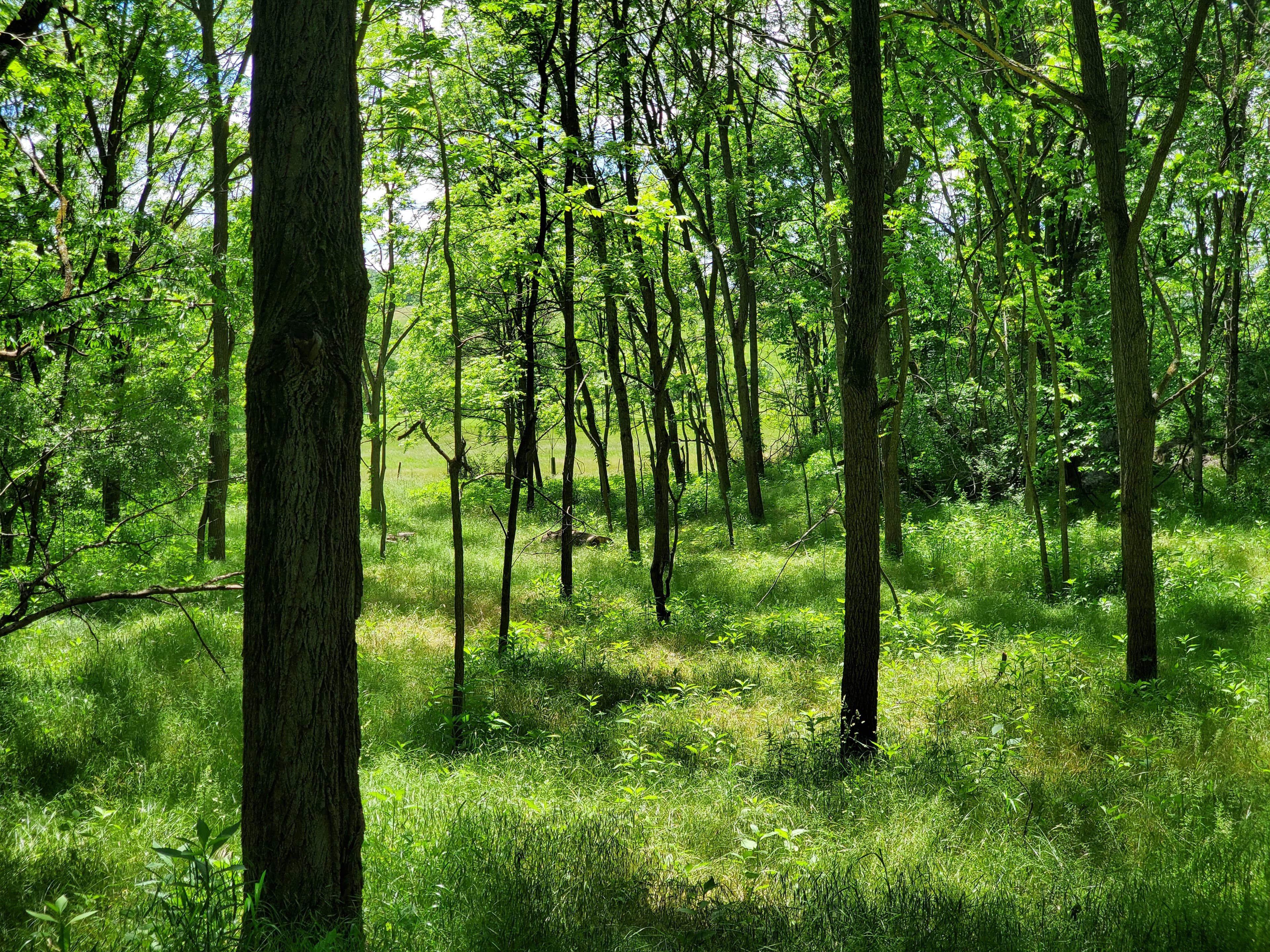
More than 12 acres are left completely wild, except for the trails that invite visitors into the woods.
The Nature Maze gives animals a place to feed, shelter, and move through the farm. Some are everyday neighbors; others only pass through when we are lucky.
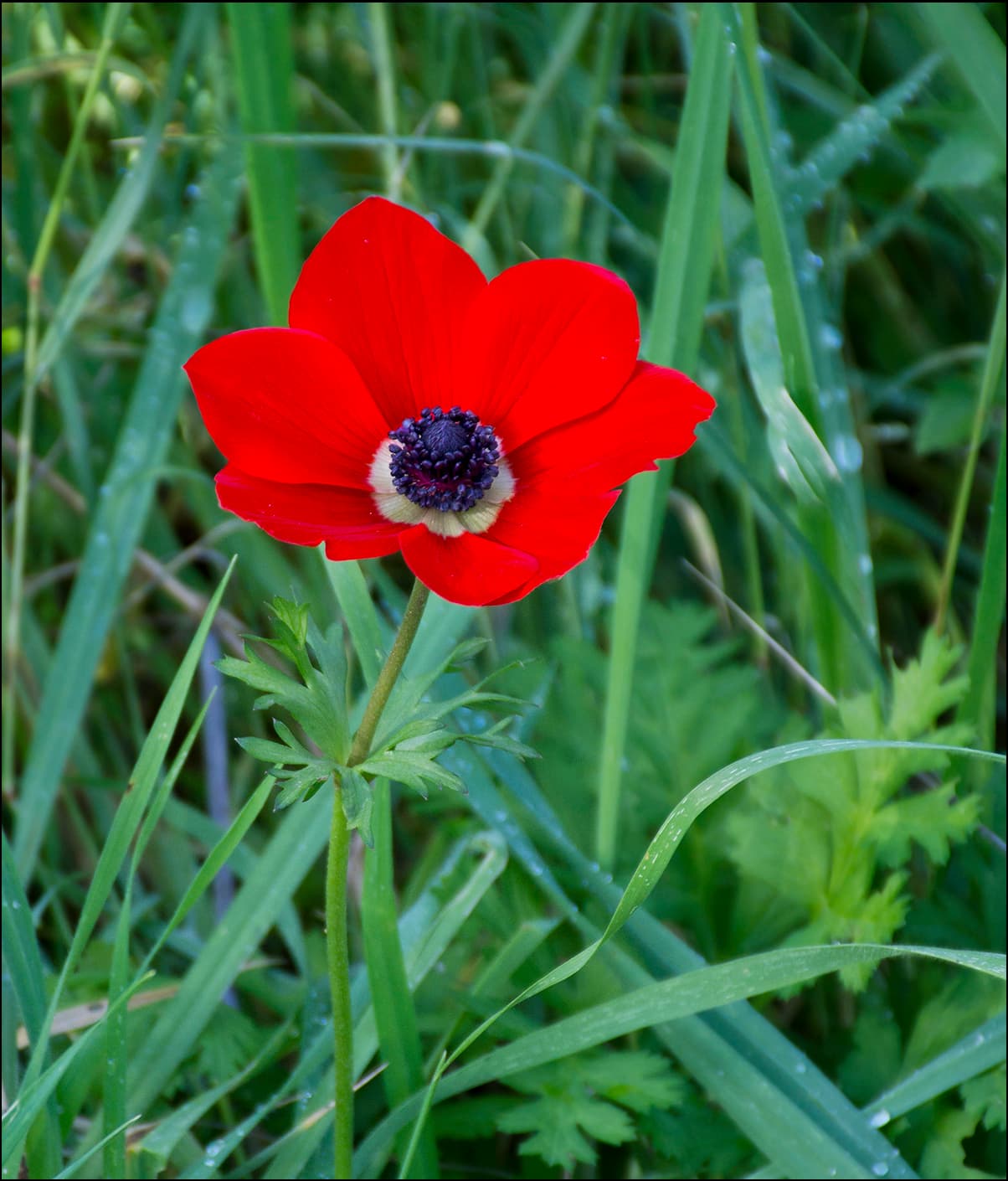
Pollinators at work
A local beekeeper maintains hives in our pollinator areas. The bees find food among the alfalfa and wildflowers while helping those plants flourish.
The harvest continues
Ground and mixed into feed for the farm's animals
A seasonal treat for the cows and pigs
Protected does not mean closed
While we're open, Glencoe is more than a place to complete a list of activities. Bring a picnic. Walk the trails. Explore the farm. Sit beside the creek and stay awhile.
Treat it like a park: respect the land and leave no trace.